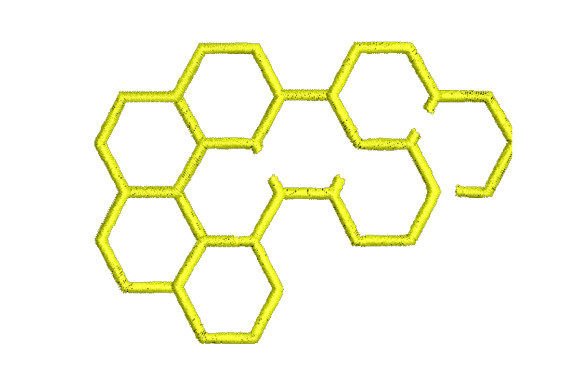
Honeycomb Line Embroidery Design
First Impressions: A Simple Yet Stylish Pattern
The Honeycomb Line design immediately catches the eye with its clean, structured layout. The geometric shapes and balanced spacing create a sense of order and calm, making it ideal for those who appreciate minimalism in their embroidery work. Its visual personality is modern yet timeless, fitting well into both contemporary and classic aesthetics.
This pattern feels like a breath of fresh air for anyone looking to add a touch of sophistication without overwhelming the design. It’s not overly complex, which makes it versatile across different projects and fabric types. The simplicity also means it can be easily adapted for various sizes and applications.
Real-Life Use Case: Custom Tote Bag Design
Imagine you're working on a custom tote bag for a client who wants something unique but not too flashy. The Honeycomb Line design could be the perfect solution. It adds a subtle, elegant detail that stands out without being too bold. Whether it's used as a central motif or a border, it maintains its visual appeal and practicality.
When considering how customers might react, the design feels approachable and modern. It’s likely to resonate with buyers who value style and functionality in their handmade products. The pattern also has a calming effect, which can make it a great choice for gifts or personal use.
Performance in Different Embroidery Projects
As a machine embroidery design, Honeycomb Line performs well in most standard applications. It works particularly well on custom apparel like sweatshirts and t-shirts, where the balance of detail and simplicity ensures clarity without overcomplicating the stitching process.
It also translates well to baby items, such as onesies or blankets, where softness and simplicity are key. The design doesn’t require intricate stitches, so it’s less likely to cause issues on delicate fabrics. For embroidered patches, the clean lines make it easy to follow and maintain definition during the applique process.
On textured or stretchy fabrics, however, care must be taken. The design may not hold up as well on materials that shift or have a rough surface. In such cases, using the right stabilizer and adjusting stitch density can help ensure a smoother finish.
Where to Use With Caution
While Honeycomb Line is generally reliable, there are situations where it might not be the best fit. Small hoop sizes can limit the design’s ability to show detail, especially if the pattern includes tight corners or intricate elements. On thin or dark fabrics, the thread colors may not stand out as intended, requiring careful selection of contrast.
For curved surfaces like caps or hats, the design might need slight adjustments to maintain symmetry. Similarly, on layered garments or items that undergo frequent washing, the stitch density should be checked to prevent fraying or distortion over time.
Impact on Visual Appeal and Customer Trust
Honeycomb Line enhances the visual appeal of any project it’s used on. Its clean lines and balanced structure contribute to a professional look that can elevate the perceived value of handmade products. This is especially important for Etsy sellers and small shop owners looking to build brand consistency and customer trust.
When used in personalized gifts or custom apparel, the design adds a layer of thoughtfulness and attention to detail. It can also improve buyer engagement by offering a unique, stylish option that stands out from generic patterns.
Practical Designer Notes
Before committing to a project, it’s always wise to test the Honeycomb Line design on scrap fabric. This helps assess how the stitches interact with the material and whether the thread colors provide sufficient contrast. Checking the stitch density is also crucial—too dense, and the fabric may pucker; too light, and the design may not hold up well.
Confirming the correct hoop size is another important step. If the design is too large for your machine’s hoop, it may require splitting or resizing, which can affect the final outcome. Inspecting small details, like corners or edges, ensures the design looks sharp after stitching.
Testing the design in black and white mockups can help visualize how it will appear on different fabric backgrounds. Comparing it on light and dark fabrics also helps determine the best thread color options. Using the right stabilizer and ensuring proper tension settings can prevent common issues like puckering or distortion.
Final Thoughts: A Versatile and Thoughtful Design
Honeycomb Line is a thoughtful addition to any embroidery designer’s collection. Its simplicity and elegance make it suitable for a wide range of projects, from custom apparel to holiday gifts. It offers a balance between style and practicality, making it a valuable asset for craft businesses and creative entrepreneurs.
Whether you’re an Etsy seller looking for unique design assets or a hobbyist wanting to add a new pattern to your repertoire, Honeycomb Line provides a reliable and appealing option. Just remember to test it thoroughly and consider the specific needs of your project before finalizing the design.